

Programming

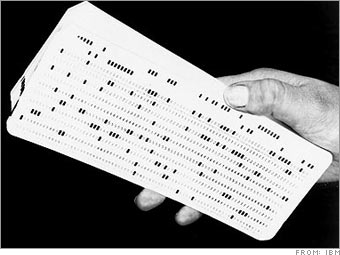
The IBM card

The IBM card, also known as the IBM punch card, was a standard for data storage and processing during the early days of computing. The cards were first introduced by IBM in the early 1920s and quickly became a widely used method for recording and storing data, from census data...

Hexadecimal

Hexadecimal, commonly abbreviated as “hex,” is a numerical system that is widely used in computer science and programming. It is a base-16 system, meaning that it uses 16 distinct symbols to represent numbers, as opposed to the base-10 decimal system that uses ten symbols (0-9). In this article, we will...

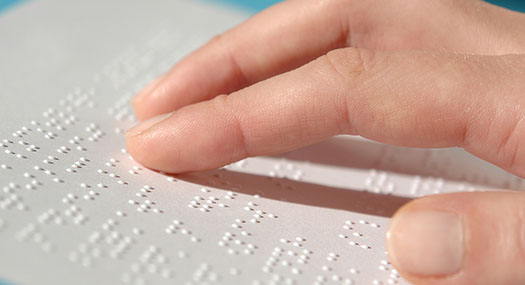
What is Braille?

Braille is a tactile writing system used by people who are blind or visually impaired to read and write. It was developed by Louis Braille in 1824, and is based on a series of raised dots that are arranged in patterns to represent letters, numbers, and punctuation marks. Braille is...

Stored Programme Computers: The ENIAC

The Electronic Numerical Integrator and Computer, or ENIAC, was one of the first electronic digital computers, and it was a milestone in the history of computing. ENIAC was developed during World War II to help the United States Army calculate artillery firing tables. It was an enormous machine, covering 1,800...